

Archives: April 2026
Stress and Weight Gain – Is There A Connection

Stress affects both the mind and the body, and its physical effects can interfere with weight loss. When the body is under stress, it can make losing weight more difficult, even with healthy habits.
Updated for 2026
While you hear of some people losing weight during a stressful time, stress is more often a large contributor to weight gain. The causes behind weight gain related to stress are typically a combination of several factors, including hormones, psychological factors, and the lifestyle choices that an individual uses to cope with their stress.
Your Body’s Hormonal Reaction to Stress
When a stressful event occurs, be it a big project at work or a traffic jam, your body has a noticeable response. For most, you notice an immediate reaction, possibly akin to anxiety, with sweating, feeling flushed in your cheeks, or rapid heart rate. These are largely the result of your sympathetic nervous system activating and the release of hormones, namely epinephrine and norepinephrine. Typically, these two hormones cause short-term appetite suppression as they are preparing your body for the immediate, innate fight or flight response; the body prioritizes responding to the immediate threat over digestion. No one likes to run or fight on a full stomach!
Following this immediate rush comes cortisol, more commonly referred to as the “stress hormone.” It is intended to keep your body supplied with energy by increasing the amount of glucose available in the bloodstream and helping maintain that response if the stressful situation continues. During short-term stress, this is a normal and beneficial adaptation that helps you meet the body’s immediate energy demands. But chronic stress and the continued release of cortisol can increase appetite and cravings, particularly for calorie-dense, highly palatable foods.
Cortisol is the hormone that makes us want to comfort ourselves with high-calorie treats, making those foods more appealing in periods of ongoing stress and increasing the likelihood that we’ll reach for them. Over time, persistently elevated cortisol levels reduce insulin sensitivity. The combined increased cravings and excess calorie intake with an overtaxed pancreas can promote the storage of abdominal fat. (Insulin is secreted by the pancreas, and diabetes results when insulin resistance, or sensitivity, becomes so severe that your pancreas can no longer produce enough extra insulin to compensate.)
When our body reacts to stress, it is assuming that we need to use up a lot of calories, maybe even precious stored calories from fat, to deal with the stressful event; the body is mounting up for an intense expenditure of energy. In reality, the stressors in our modern lives are more often about traffic making us late rather than something threatening a deadly chase. You aren’t likely to burn many calories checking the clock while sitting in traffic. Despite the different stressors, the body’s classic response is the same. A cascade of hormones, peptides, and other molecules is released that cause the body to change how it handles and stores energy from food.¹ With modern stressors, the expected physical exertion often never comes, and repeated (i.e., chronic) stress activation can contribute to weight gain.
Time Crunches Lead to Shortcuts
For many of us, it never seems like there is enough time in the day to get it all done. This chronic time crunch not only leaves us feeling stressed constantly, but it also allows us to fall into traps of convenience.
The truth is, making healthy choices often requires planning ahead. Without preparation, we are apt to choose the quick, available snacks. When the vending machine is your source of sustenance, you are less likely to be choosing a high-fiber or protein-packed snack or meal replacement and more likely to end up with a sugary snack that will send your body on a blood sugar rollercoaster.
Exhausted from a long day and too tired to cook at home? Fast food to the rescue… Except for the fact that fast food is usually very high in calories, and especially saturated fats, sodium, and processed carbohydrates. Even opting for a “healthier” menu item can be a trap. A salad will likely be loaded with ingredients that do more harm than good for the waistline.
Another shortcut we often take is skipping meals altogether. Whether from being too wrapped up in a task to stop and recognize hunger cues or willfully ignoring them to steal a few minutes back for what needs to get done, it will end up hurting you. While the mantra that a reduction in calories leads to weight loss has pervaded society, we know that skipping meals leads to weight gain, both leading us to overeat when we do eat and disrupting our normal metabolism by telling our body that it isn’t going to be fed, so it should hold on to what it gets. Does “I can splurge on this double portion of creamy pasta, I haven’t eaten all day!” sound familiar?
Another thing we cheat ourselves on is adequate hydration. Many people only drink during meals, and often aren’t choosing good, old-fashioned water. If you are skipping meals during the day, you may also be skipping out on drinking as well. Caffeine is typically considered a friend of the stressed, as its stimulant qualities trick you into ignoring when your body needs rest and allow you to push through. Caffeine is a diuretic, meaning it is dehydrating, and many of the caffeine boosts we choose are also high in sugar and other additives. The crash that follows this bump is often harsh. Dehydration can lead to headaches and feeling sluggish, neither of which helps you to accomplish your tasks.
Cyclical Stress and Exhaustion
Stress is the gift that keeps on giving. It is not often a one-and-done situation. For most of us, we have both situational stressors and chronic stress. Furthering this cycle is that we often combat our stress with things likely to cause more stress down the road. Weight gain is a prime example of this.
If your main stressor is time, you take shortcuts and try to squeeze as much time from the day as possible. In doing this, you both exacerbate your stress and create unhealthy habits that cause stubborn weight gain. Now you have all of your same stressors, plus excess weight to address. How can you be expected to eat right and exercise when you’re already using up every possible minute? Your stress has given you something new to stress over.
Feeling exhausted yet? Sleep issues and stress go hand in hand for many. We know that stress can lead to lost sleep just as well as losing sleep can amplify stress. This not only causes your body to feel physically stressed, but with inadequate rest, you may also consume more calories during the day. (Not to mention staying up late leaves you more prone to midnight snacking.) To compound this, we too frequently cut our sleep short to squeeze more hours out of the day. Whether you are taking an hour from your morning rest to allow for an extra hour of work or to make up for squeezing in a social appointment later in the day, sometimes your body truly needs to rest and reset to best perform.
So, yes, stress can cause weight gain! Stay tuned for our next blog post on how to solve stress with today’s hectic lifestyles
Reference:
-
Heshmati, H. M., Luzi, L., Greenway, F. L., & Rebello, C. J. (2023). Editorial: Stress-induced weight changes. Frontiers in endocrinology, 14, 1209975. https://doi.org/10.3389/fendo.2023.1209975.
Top 10 Biggest Mistakes That Keep People From Losing Weight
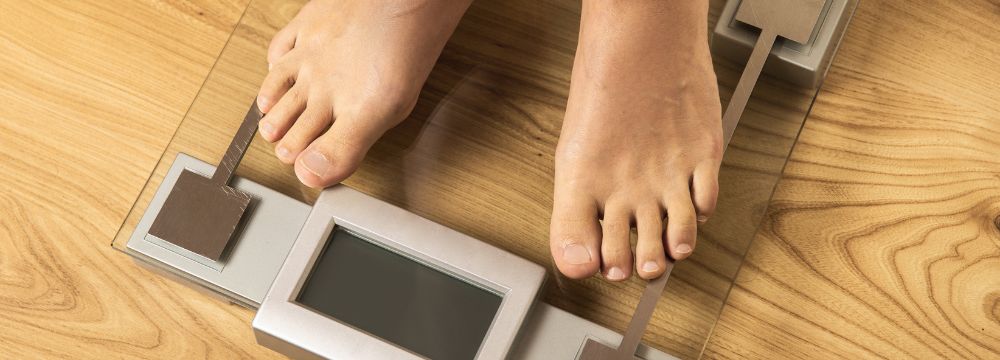
Avoiding these common mistakes can make healthy eating and long-term weight management much more achievable.
There’s a lot of content telling people how to lose weight, but much less explaining the habits that can work against you. Here are our top contenders!
1. Getting Too Hungry
Calorie restriction and skipping meals are two different things. Long stretches between meals and skipping them altogether increase hunger and make it harder to make thoughtful food choices. By the time you’re extremely hungry, convenience is more likely to win out over nutrition. Intense hunger invariably leads to larger portions, overeating, or reaching for ultra-processed foods that are high in calories and low in nutrients because they’re quick and satisfying. Balanced meals at regular intervals are the best way to manage calorie restriction for weight loss.
2. Drinking Calories and Loading Up on Sauces
Calories sneak in with specialty coffee drinks, soda, fruit juice, sports drinks, and alcohol, adding hundreds (yes, hundreds!) of calories to your day without making you feel as full as solid foods. Your body doesn’t register them the same way it does whole foods. Not to mention, this list of drinks can also increase the incidence of dumping syndrome in gastric bypass patients.
Empty calories also sneak in with salad dressings, creamy sauces, mayonnaise, butter, cooking oils, and dips. They can wreck an otherwise healthy meal. A little extra flavor now and then is okay, but when indulgences become regular, they can stall weight loss.
3. Relying on “Healthy” Processed Foods and Take-Out
Many foods marketed as “healthy” have nutritious components, but that doesn’t mean they’re beneficial for weight loss or low in calories. Granola, trail mix, nut butters, smoothies, dried fruit, restaurant salads, and protein bars can be sources of concentrated calories and ultra-processed ingredients that can limit how much weight you lose. (Read here for an interesting study about how minimally processed food choices impact weight loss.) For a quick snack on the go every now and then, they can be great, but be aware that “healthy” and “weight-loss friendly” are not always the same thing.
Takeout makes weight management more challenging because portions tend to be much larger, and it takes more self-control not to overindulge. Restaurant meals also tend to contain more cooking oil, butter, sugar, sodium, and calorie-dense sauces than you might expect, even when the meal appears healthy. Relying on it frequently can make it harder to reach not just your weight loss goals, but also health goals like diabetes or hypertension management.
4. Chasing Perfection Instead of Consistency
Letting yourself have a “treat” meal can be highly motivating for staying on track and reducing cravings. Unfortunately, many people adopt an all-or-nothing mindset, believing they’ve failed their plan after one indulgence. That thinking can lead to giving up altogether instead of simply getting back on track at the next meal.
Long-term weight loss happens because of consistency, not perfection. Sustainable habits repeated over months and years have a much greater impact than strict diets that are impossible to maintain. Forget the fad diets and stick to protein as the main attraction, paired with steamed or grilled vegetables, and snacks consisting of low-sugar fruits, nuts, and dairy.
5. Ignoring Sleep and Stress
Sleep and stress don’t seem like they’d be part of a nutrition chat, but they are a big part of weight management. Poor sleep can disrupt hormones that regulate hunger and fullness, and elevated stress hormones can increase cravings for calorie-dense comfort foods. Both stress and poor sleep can also cause fatigue, making meal planning, grocery shopping, and cooking feel much more difficult.
Staying up late can also lead to late-night snacking. Not only do you stay out of the pantry, but you give your body the rest it needs to recuperate and function optimally with a good night’s rest.
6. Avoiding Strength Training
Many people focus exclusively on cardio when trying to lose weight, but strength training is just as important. Strength training exercises, like using resistance bands, build and maintain muscle, help maintain metabolism, and reduce the amount of lean tissue lost alongside body fat.
You don’t just want to weigh less; you also want to improve body composition. Building muscle can also help fill out loose skin that is common after a bariatric procedure.
7. Following Diets That Are Too Restrictive
Extremely restrictive diets might promise equally dramatic results – but they’re rarely sustainable. Severely limiting calorie intake or eliminating food groups altogether can make people feel deprived and increase the likelihood of binge eating and yo-yo dieting. It’s also not good for the body to be starved. Your body also needs enough calories for optimal brain activity, organ function, hormone production, immune function, tissue repair, and muscle mass.
There’s no getting around eating patterns that are realistic for reaching and maintaining weight loss. Moderate, sustainable changes are far more likely to produce lasting results than short periods of extreme restriction, which is usually followed by a return to old habits and weight regain.
8. Mindless Snacking
Screen time munching is one of the best ways to undermine weight loss. Watching television or scrolling on your phone is distracting and reduces awareness of hunger and fullness cues, making it more likely to eat faster, consume more, and continue past our natural limit. Pump the brakes on overeating by portioning snacks into a small bowl instead of eating directly from the package; it creates a physical boundary between overindulgence and adherence to your diet plan.
Sampling food while cooking, grazing from a snack bag, or eating a little extra throughout the weekend are easy to do without thinking about it. Becoming more aware of when, where, and why you’re eating can help cut unnecessary calories without feeling overly restrictive.
9. Rewarding Exercise with Food
It’s surprisingly easy to eat back the calories burned with a post-exercise treat or oversized meal. A 30- to 45-minute walk or gym session may burn only a few hundred calories, which can be replaced quickly by a specialty coffee drink, sports drink, pastry, or restaurant appetizer.
There’s also a mindset that goes along with it: viewing exercise as something that “earns” extra food. It’s important not to use exercise as permission to overeat.
10. Portion Distortion
Portion sizes have steadily increased over the past several decades, changing people’s perception of what a normal serving looks like. Restaurant meals, packaged snacks, and even dishes prepared at home often contain much larger portions than any of us really need.
Even with nutritious foods, weight gain happens if the portions are excessive. If you actually measure out the portion recommendations on nutrition labels, you’ll start getting a visual sense of how much you should be eating. Doing that can help recalibrate your eye and make portion control feel more intuitive over time.
One unhealthy meal or missed day of exercise isn’t enough to derail your weight loss, but small, unsavory habits will eventually stack up and start to work against you. Even with honest effort, some things can slip past or be overlooked. Understanding some common mistakes and being aware of the pitfalls can help you make changes that are more sustainable and effective over the long term.
Struggling to lose weight despite making healthy changes is frustrating, and sometimes the scale doesn’t reflect the effort you’re putting in. If you’ve been eating better and exercising more but aren’t seeing the results you expected, call us. At SAMPA, our bariatric specialists help patients identify lifestyle habits and medical conditions that influence weight management. We work with patients before and after bariatric surgery and during medical weight-loss treatment to create nutrition plans that are realistic and sustainable.
Want to Maximize Weight Loss? Look to Less Processing, Not Just Fewer Calories
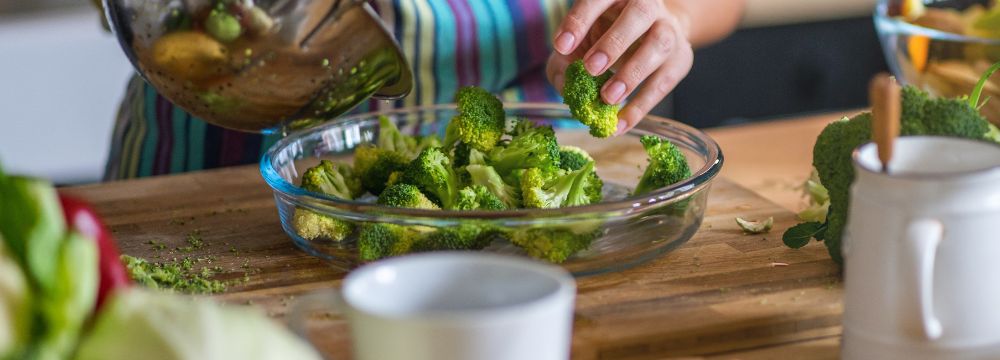
A recent study shows that people who ate minimally processed foods lost about twice as much weight as those eating ultra-processed foods. That could mean food quality is just as important to post-bariatric life as calories.
People are used to focusing on calories, portion sizes, protein intake, or finding the “right” diet plan. But there’s possibly another factor to consider: the quality of the food you’re eating.
Ultra-processed foods are common in today’s food environment because they are convenient, affordable, and accessible. What are they? Packaged foods that have been significantly altered from their original form and often contain additives or ingredients not typically used in home cooking. On the flip side of that are minimally processed foods: fruits, vegetables, eggs, lean meats, dairy products, beans, and whole grains.
In a recent study, researchers examined whether the level of food processing itself could influence weight loss. Two diets were compared, ultra-processed versus minimally processed, but each diet was specifically selected to meet nutritional recommendations. Despite the effort to make both diets “healthy,” participants who ate minimally processed foods lost more weight. This could turn out to be a game changer for those struggling with obesity.¹
Why Would Food Processing Matter for Weight Management?
The study included 55 obese adults who followed two different diets for eight weeks each. The important distinction was that researchers weren’t comparing a “healthy” diet to an “unhealthy” one. Both eating plans met recommendations for nutrients, fruits and vegetables, fiber, and other markers of a balanced diet. The primary difference was how much the foods had been processed before they reached the plate.
Participants also lost weight on both diets. However, the minimally processed group lost about twice as much. Not only that, but they also had greater reductions in body mass index (BMI) and body fat. Why would that matter, especially if nutritional recommendations were met in both groups?
Researchers came up with several ideas. Minimally processed foods tend to provide fewer calories for the same volume of food and generally take longer to chew and eat. Slowed eating gives the body’s natural fullness signals more time to work, which could help explain why participants consumed fewer calories. They also reported better craving control on the minimally processed diet.
Ultra-processed foods are designed to be convenient, highly palatable, and ready to eat with little preparation. There’s nothing inherently wrong with that, especially when it’s an occasional treat, but they’re easy to eat quickly, making it more difficult to recognize when you’re satisfied. Eating a diet full of ultra-processed foods requires consciously restricting portions, whereas minimally processed foods naturally encourage slower eating, early satiation, and, potentially, portion restriction.
Another interesting aspect was that the ultra-processed food items were low in saturated fat, sugar, and sodium and included recommended amounts of fiber, fruits, and vegetables. Even so, participants still lost more weight eating minimally processed foods. It suggests that the nutritional content, combined with the degree of processing, influences how our bodies respond to food.
For people living with obesity, this is an important reminder that the foods available in our environment can influence hunger, cravings, eating speed, and overall calorie intake. Gradually choosing more minimally processed options might be one practical way to bolster the success of long-term weight loss, including after bariatric surgery.
How to Apply This to Your Weight Loss Journey
You don’t have to overhaul your entire diet overnight. Just start making moves toward small, sustainable changes. When possible, prepare meals at home so you have greater control over the ingredients and lean into proteins, vegetables, fruits, beans, whole grains, eggs, and low-fat dairy. As far as protein goes, aim for chicken thighs rather than chicken sausage or a pork chop as opposed to ground pork patties. The closer food is to its natural state, the less processed it is.
For people thinking about bariatric surgery or adjusting to life after surgery, better eating habits are even more important. Protein intake, nutrient density, and portion control are foundational to long-term success, and, based on this study, choosing minimally processed foods could elevate your effort, improve fullness, reduce cravings, and make it easier to maintain healthy eating patterns. Rather than focusing only on calories, pay attention to the quality of those calories.
At SAMPA, we want to help patients develop strategies for nutrition, weight management, and lasting lifestyle changes. Whether you need additional support after surgery or have questions leading up to a procedure, our team is here to help you understand your options.
Reference:
- Dicken, S. J., Jassil, F. C., Brown, A., Kalis, M., Stanley, C., Ranson, C., Ruwona, T., Qamar, S., Buck, C., Mallik, R., Hamid, N., Bird, J. M., Brown, A., Norton, B., Gandini Wheeler-Kingshott, C. A. M., Hamer, M., van Tulleken, C., Hall, K. D., Fisher, A., … Batterham, R. L. (2025). Ultraprocessed or minimally processed diets following healthy dietary guidelines on weight and cardiometabolic health: A randomized, crossover trial. Nature Medicine, 31. https://doi.org/10.1038/s41591-025-03842-0.
Do PPIs Increase the Risk of Colorectal Cancer?

A new study raises questions about long-term PPI use and early-onset colorectal cancer, but the relationship is far from settled. For bariatric patients, the findings are a reminder to periodically review long-term medications and understand the broader implications of obesity-related and co-existing health conditions.
A new study adds to an ongoing debate: is there an association between proton pump inhibitors (PPIs) and colorectal cancer?¹ That new study says yes, but previous research has produced mixed results, leaving important questions unanswered.
PPIs are a commonly prescribed medication for acid reflux, and because they’re often used long-term, they’re also a frequent focus of safety research. At the same time, colorectal cancer rates in younger adults have been rising, and researchers are trying to figure out why.
The latest findings are getting attention, but they need to be interpreted alongside other variables. And we also have to consider the fact that a broader body of evidence has not reached a clear consensus.
What Are PPIs?
Proton pump inhibitors are medications that reduce stomach acid production and are commonly prescribed to treat digestive disorders like acid reflux, GERD, and ulcers. As the name implies, they work by inhibiting the acid-producing “pump” in the stomach lining to alleviate heartburn and upper gastrointestinal irritation.
PPIs are especially relevant for bariatric patients because they’re often prescribed both before and after bariatric surgery. GERD is common in people with obesity, and after procedures such as gastric bypass or sleeve gastrectomy, patients can experience increased acid-related symptoms. It is also a routine practice to be placed on PPIs as a protective measure after surgery to protect the healing digestive tract from stomach acid.
What is the Connection to Cancer?
So, this is where it gets a little confusing. Researchers have investigated whether long-term acid suppression may influence colorectal cancer risk. But, multiple studies have reported conflicting findings. The new study we mentioned has three layers: PPI use, colorectal cancer, and age of onset. Let’s start with what the research says about PPIs and cancer, then we’ll add in the age factor.
First of all, results vary depending on study design and population. In other words, the studies don’t always ask the same question or look at the same groups of people so results can appear mixed.
In one enormous study, over a million people were observed for almost 5 years to compare PPI users with patients taking another type of acid-reducing medication called histamine-2 receptor antagonists (H2RAs). Researchers didn’t see an overall association with an increased risk of colorectal cancer, but what they did note was that the longer someone was on a PPI seemed to correlate with a modest increase in cancer risk.²
A newer study that’s gotten some attention in the last year looked specifically at early-onset colorectal cancer in adults younger than age 50.³ Researchers found an association between long-term PPI use and early-onset colorectal cancer, even after adjusting for other risk factors such as obesity, diabetes, inflammatory bowel disease, and smoking. Important to note with this study was that the researchers found only an association, which does not prove that PPIs directly cause cancer. With that conclusion, they’ve begun to explore what else could be affecting the rates of colorectal cancer, and it may include the gut microbiome.
PPIs reduce stomach acid, which is helpful for conditions like GERD because it decreases irritation from acid exposure. But stomach acid also protects the GI tract and limits the growth of certain bacteria. Long-term acid suppression can cause changes in the balance of bacteria in the digestive tract, a process called gut dysbiosis. Some studies suggest a cascade results from the imbalance that influences inflammatory pathways, immune function, and the environment within the colon in ways that could potentially affect colorectal cancer development.⁴
What Should You Do?
Rather than stopping prescribed medications, patients should focus on understanding their individual colorectal cancer risk factors, maintaining regular follow-up care, and discussing the ongoing need for long-term PPI therapy with their healthcare team. While the latest research suggests a possible association between long-term PPI use and early-onset colorectal cancer, the evidence remains inconclusive, and patients should view these findings as one piece of a much larger picture of colorectal cancer risk.
For obese patients, managing weight through evidence-based treatment has benefits beyond improving appearance or body weight. Obesity is associated with several conditions that can affect digestive health, including GERD, type 2 diabetes, inflammation, and an increased risk for certain cancers in addition to colorectal cancer. Bariatric surgery for the right candidate improves many obesity-related health conditions and reduces the burden of some chronic diseases.
Maintaining a balanced diet with adequate fiber, staying physically active, avoiding tobacco products, limiting alcohol intake, and keeping conditions such as diabetes and high blood pressure well-managed contributes to better health. These are things people can actively work on regardless of whether they take a PPI. Colorectal cancer screening is also a part of prevention and early detection.
At SAMPA, we understand that digestive health, obesity, and chronic conditions often overlap. Our bariatric and colorectal specialists work together with patients to address obesity and obesity-related health conditions and set wellness goals through individualized care plans. If you have questions about your medications, digestive symptoms, or are considering bariatric surgery, give our office a call or contact us online.
References:
- Strong, C. (2025, October 28). Long-Term PPI Treatment Linked to Higher Risk for Early-Onset CRC Before Age 50. Gastroenterology Advisor. https://www.gastroenterologyadvisor.com/reports/long-term-ppi-linked-to-higher-risk-for-early-onset-crc-before-age-50/.
- Abrahami, D., McDonald, E. G., Schnitzer, M. E., Barkun, A. N., Suissa, S., & Azoulay, L. (2021). Proton pump inhibitors and risk of colorectal cancer. Gut, 71, 111–118. BMJ. https://doi.org/10.1136/gutjnl-2021-325096.
- Strong, C. (2025, October 28). Long-Term PPI Treatment Linked to Higher Risk for Early-Onset CRC Before Age 50. Gastroenterology Advisor. https://www.gastroenterologyadvisor.com/reports/long-term-ppi-linked-to-higher-risk-for-early-onset-crc-before-age-50/.
- Patel, A., Spychalski, P., Antoszewska, M., Regula, J., & Kobiela, J. (2021). Proton pump inhibitors and colorectal cancer: A systematic review. World journal of gastroenterology, 27(44), 7716–7733. https://doi.org/10.3748/wjg.v27.i44.7716.