

Archives: March 2026
Can GERD Cause Esophageal Cancer?
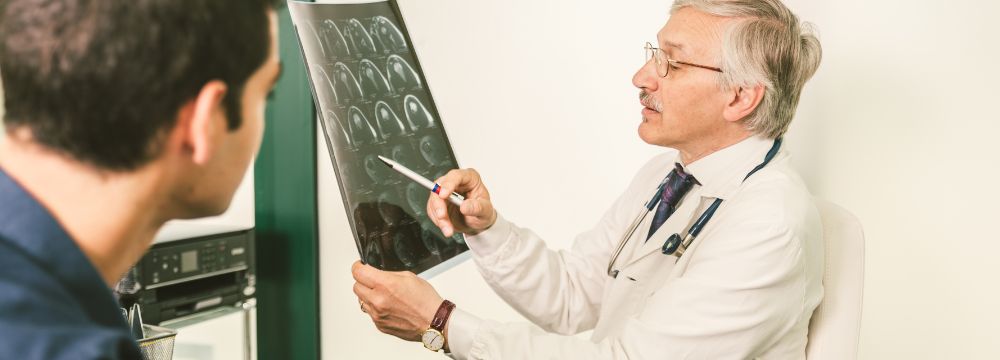
Esophageal cancer only affects approximately 1% of the population, and it is more likely that someone with uncontrolled GERD will develop Barrett’s esophagus. However, the development of abnormal cells from this condition could lead to cancer, especially in individuals with elevated risk factors like family history.
Gastroesophageal reflux disease, or GERD, is a common condition, with estimates that around 20% of the US population suffers from the disorder.¹ The longer the condition goes untreated, the more likely it is for complications to occur.
GERD is characterized by the chronic backflow of stomach acid into the esophagus. This acid reflux occurs when the lower esophageal sphincter (LES) does not effectively seal swallowed food and digestive fluids in the stomach, allowing gastric contents to regurgitate.
The reflux, frequently called heartburn, feels like a pain in the chest that starts behind the breastbone and moves to the throat. Patients sometimes report an unpleasant acid taste in the mouth. Patients with GERD sometimes experience a frequent cough or difficult or painful swallowing as the condition persists.
The damage caused over time by the frequent backwash of acid can lead to conditions like Barrett’s esophagus, a precancerous condition, and even esophageal cancer.
While GERD is a risk factor for esophageal cancer, it is more common for Barrett’s esophagus to occur first. Barrett’s esophagus happens when normal cells in the esophagus begin to be replaced by abnormal cells. These abnormal cells create an esophageal lining that is more similar to the intestinal lining in order to handle the acidity. Initially, this is helpful. But over time, the cells become unstable and can eventually lead to cancer.
Many patients do not experience symptoms from Barrett’s esophagus (beyond those of GERD), and it is typically found during an upper endoscopy procedure. It is possible that a patient’s GERD symptoms decrease as Barrett’s esophagus advances, because the new cells become more tolerant of acid. However, this indicates the abnormal cells have progressed and are more likely to become cancerous. Because esophageal cancer is a known complication of Barrett’s esophagus, while rare, your doctor may recommend more strict lifestyle modifications and routine screening.
Esophageal cancer is not common. Of all cancers diagnosed in the United States, only about 1% of the population is affected. Over a lifetime, 1 in 132 men and 1 in 437 women will receive that diagnosis.² Compare this to lung cancer, where the chance is 1 in 19. In 2026 alone, estimates for new cases of lung cancer are predicted to be 229,410; estimates for new cases of esophageal cancer come in at 22,530.²¯³
Esophageal cancer is also closely associated with alcohol and tobacco use. Other factors that may increase the risk for esophageal cancer include obesity, a diet high in processed meat and low in fruits and vegetables, and frequently ingesting very hot liquids or foods that can damage the esophagus when swallowed. There has also been a link established to long-term exposure to some chemicals. The cause of Barrett’s esophagus is limited to the effects of gastric acid damaging the esophageal tissue.
While few patients with GERD will ever develop esophageal cancer, some people have greater potential than others. Additional risk factors include a family history, GERD that started at an early age, reflux that has persisted for over 10 years, or a history of having a hiatal hernia.
If you are concerned about persistent heartburn or have questions about your digestive health, we recommend discussing treatment options with us, including the innovative, minimally invasive LINX device for GERD. For patients who have been diagnosed with esophageal cancer, surgery may be the best treatment option.
If you or someone you love has complained about acid reflux, our team is always happy to help patients better understand diagnosis and treatment options. Contact the team at SAMPA for evaluation or surgical consultation.
References:
- National Institute of Diabetes and Digestive and Kidney Diseases. (2020, July). Definition & Facts for GER & GERD. National Institute of Diabetes and Digestive and Kidney Diseases. https://www.niddk.nih.gov/health-information/digestive-diseases/acid-reflux-ger-gerd-adults/definition-facts.
- American Cancer Society. (2026). Key Statistics for Esophageal Cancer. Www.cancer.org; American Cancer Society. https://www.cancer.org/cancer/types/esophagus-cancer/key-statistics.html.
- American Cancer Society. (2026). Key Statistics for Lung Cancer. Www.cancer.org; American Cancer Society. https://www.cancer.org/cancer/types/lung-cancer/about/key-statistics.html.
How Important is Sleep to Weight Loss?

Sleep hygiene doesn’t get much credit, but it can impact your weight loss efforts. Not getting enough can encourage weight gain, and healthy sleep habits can actually help you lose it.
How often do you think about sleep and weight loss in the same context? Usually, diet and exercise come to mind. But sleep – how does that factor in?
Your body isn’t static as you snooze. Sleep is an active biological process that affects nearly every system in the body, including those that regulate metabolism, appetite, and body weight. When it’s constantly disrupted or insufficient, those systems don’t work as efficiently. Energy balance, hormone regulation, blood sugar control, cardiovascular health, brain function, and emotional well-being (plus some) can wind up in the gutter. Losing weight can become harder, and gaining weight can become easier.
The Science Behind Sleep and Metabolism
Fragmented, poor-quality sleep can undermine even the best weight loss efforts, driven by multiple overlapping pathways.
Appetite-Regulating Hormones
Two key hormones help regulate appetite: ghrelin and leptin. Ghrelin is also called the “hunger hormone” because it stimulates appetite. Leptin is the “satiety hormone” that signals when it’s time to stop eating. When sleep duration is shortened or irregular, ghrelin levels tend to increase while leptin levels decrease. That is the opposite direction you want to be going in when you’re struggling with obesity. It creates a stronger drive to eat and a reduced sense of satisfaction after meals, leading to increased snacking, larger portion sizes, and a preference for high-calorie foods.
In a trial of 80 obese adults, researchers found that those who extended their sleep to at least 8.5 hours consumed an average of 270 fewer calories per day. People who sleep less and are sleep-deprived also tend to snack more, widening the gap between loss and gain with about a one-hour difference in sleep.¹
Insulin Sensitivity and Blood Sugar Control
Metabolic disease is a cluster of conditions often associated with overweight and obesity and can include high blood pressure, excess waist fat, and abnormal cholesterol. It’s also a precursor for type 2 diabetes (T2D) due to metabolic dysregulation and the resulting chronically high blood sugar.
Sleep affects how the body processes glucose, and when your ZZZ’s are not up to par, cells don’t respond as efficiently to insulin. In other words, lack of sleep can reduce insulin sensitivity, elevate blood sugar levels, and promote fat storage. Poor sleep hygiene can lead to an increasingly disordered metabolism or exacerbate an existing metabolic issue.
Cortisol and Stress Response
Cortisol is the body’s primary stress hormone, and inadequate sleep raises it. Elevated cortisol can promote fat retention (especially in the abdominal area), interfere with muscle recovery, and zap metabolic efficiency. Higher cortisol levels can also increase cravings for calorie-dense foods.
Muscle Mass Reduction
There are quality and quantity aspects to weight loss. It’s exciting to see the numbers on the scale decrease, and that’s the quantity part. The quality component concerns the type of mass you’re losing: muscle or fat. Changes in digestion and absorption after a bariatric procedure require prioritizing adequate protein intake to support muscle maintenance and overall health.
Research suggests that when sleep isn’t enough during calorie restriction, the body is more likely to lose lean mass rather than fat. In a study of overweight adults undergoing moderate calorie restriction, participants who slept about 5.5 hours per night lost significantly less body fat and substantially more fat-free (lean) mass than those who slept 8.5 hours per night, even though total weight loss was similar. Adequate sleep appears to be associated with more favorable metabolic responses and fat loss.²
This can be a double whammy for bariatric patients. Lean muscle mass is already at risk due to altered digestion and increased nutrient needs, and insufficient sleep can shift the body further into unhealthy weight loss.
The Brain’s Reward System
When you’re tired, the brain’s reward centers become more active and impulse control starts to diminish. High-fat, high-carbohydrate foods become more appealing and harder to resist.³ At the same time, fatigue can reduce motivation to prepare healthy meals or engage in physical activity, further compounding the problem.
Obesity and Sleep Apnea
Obstructive sleep apnea (OSA) is often associated with obesity, and it can make losing weight that much more difficult. It occurs when the airway repeatedly collapses or becomes blocked during sleep, causing brief pauses in breathing and forcing the body to wake throughout the night (even though people usually don’t remember waking). For a mild case, that happens about 5 to 15 times per hour, or based on 9 hours of sleep, 45 to 135 times per night. In a severe case of sleep apnea, a patient wakes up over 270 times throughout the night. That means approximately every other minute for 9 hours, the body stops breathing for up to 10 seconds or more and wakes up to breathe again.⁴ (These are commonly referred to as “micro-arousals.”) You may have been in bed for 9 hours, but the sleep you experienced was non-restorative because it was fragmented. OSA interferes with weight management in the same ways as not getting enough sleep.
Getting Adequate Sleep
The recommendation for most adults aged 18 to 65 is seven to nine hours of sleep per night. (We naturally tend to sleep less as we get older.)⁵ That range is considered appropriate for good health. Deep, consistent, restorative sleep in that range is especially important for metabolic regulation, tissue repair, appetite signaling, and hormone release, amongst other health benefits.
Modern lifestyles have steadily reduced average sleep duration over the past century. Work demands, artificial lighting, and screen use have all contributed to widespread sleep deprivation. Shift work and irregular sleep schedules can further disrupt circadian rhythms, increasing the risk of metabolic dysfunction and making weight management more difficult.
Some factors in life might be semi-permanent, like your work schedule, but several strategies can help improve sleep quality:
- Maintain a consistent bedtime and wake-up time, even on weekends
- Limit screen use before bed and keep electronic devices out of the bedroom
- Keep the sleep environment cool, dark, and quiet
- Avoid caffeine late in the day and limit alcohol intake
- Establish a relaxing pre-sleep routine, such as reading, meditation, or a warm bath
Even adding 30 to 60 minutes of sleep per night can improve your health.
Reverse the Snowball
Stacking health factors is one reason patients choose bariatric surgery as a way to interrupt the snowball effect on their physical and mental well-being. In research settings, people who achieved significant weight reductions (approximately 20% of their body mass index, or BMI) experienced improved sleep breathing, with OSA severity reduced by more than half. Even losing around 10% of body weight can lead to meaningful improvements in sleep apnea severity, with additional weight loss continuing to help.⁶ A jumpstart in weight reduction paired with better sleep starts rolling the snowball in the other direction.
For many patients, weight loss surgery leads to long-term improvements in overall health, particularly for those with sleep apnea. Reduced airway obstruction, improved oxygen levels, and decreased inflammation all contribute to better sleep. As sleep improves, many patients will find it easier to maintain healthy eating patterns, physical activity, and long-term weight loss.
If you have questions about sleep, weight loss, or how these factors relate to your overall health, our team at SAMPA is here to help. Scheduling a consultation can provide clarity, guidance, and support as you work toward sustainable, long-term success.
Resources:
- Tasali, E., Wroblewski, K., Kahn, E., Kilkus, J., & Schoeller, D. A. (2022). Effect of Sleep Extension on Objectively Assessed Energy Intake Among Adults With Overweight in Real-life Settings: A Randomized Clinical Trial. JAMA internal medicine, 182(4), 365–374. https://doi.org/10.1001/jamainternmed.2021.8098.
- Chaput, J. P., & Tremblay, A. (2012). Adequate sleep to improve the treatment of obesity. CMAJ : Canadian Medical Association journal = journal de l’Association medicale canadienne, 184(18), 1975–1976. https://doi.org/10.1503/cmaj.120876.
- Worth, T. (2025). Losing weight through better sleep. Nature. https://doi.org/10.1038/d41586-025-00998-0.
- Johns Hopkins Medicine. (2025). Obstructive Sleep Apnea. Www.hopkinsmedicine.org. https://www.hopkinsmedicine.org/health/conditions-and-diseases/obstructive-sleep-apnea.
- De Lumban, T., & Faiz, S. (2025, October 15). How much sleep do I need? MD Anderson Cancer Center. https://www.mdanderson.org/cancerwise/how-much-sleep-do-i-need.h00-159780390.html.
- Malhotra, A., Heilmann, C. R., Banerjee, K. K., Dunn, J. P., Bunck, M. C., & Bednarik, J. (2024). Weight reduction and the impact on apnea-hypopnea index: A systematic meta-analysis. Sleep Medicine, 121, 26–31. https://doi.org/10.1016/j.sleep.2024.06.014.
Have You Seen Blood After a Bowel Movement?

Blood after a bowel movement has a range of causes, from minor irritation to more serious conditions. What’s more is that serious issues can mimic the less severe ones.
The sight of blood makes many people nervous. When it’s your own blood, and you notice it after a bowel movement, it can be that much more concerning. The first thing to do is not ignore it.
Anal bleeding can have multiple causes, from the benign to more insidious. While an online blog in no way takes the place of seeing your doctor, the following can help you discern what may be happening. If you notice blood, unusual bowel movements, or anything else out of the ordinary, please consult your healthcare practitioner.
What Causes Anal Bleeding?
Not all causes of anal bleeding mean something serious, but none of them should be outright ignored. The location, color, and associated symptoms are all clues, but because those symptoms can overlap, self-diagnosis can be unreliable.
A quick note before we proceed: sometimes, it isn’t even blood, like when you eat beets or items with heavy food coloring. It can be unexpected and alarming, just the same, and you still want to keep an eye on it, just to be sure. All that to say that it’s best to pay attention.
One of the most common and less serious causes of bleeding is hemorrhoids. For many people, they can be more of a nuisance than anything, but sometimes they do require a doctor’s help. These are swollen veins in the rectum or around the anus, and they usually stem from increased pressure in that area – straining, chronic constipation or diarrhea, sitting on the toilet too long, heavy lifting, obesity, and pregnancy are familiar culprits. When hemorrhoids bleed, the blood is bright red and shows up on toilet paper when wiping. They can also cause mild pain, itching, irritation, or feel like a small, spongy lump.
Anal fissures also cause bleeding. These are small tears in the lining of the anus, and because there is an actual break in the skin, the pain felt is sharp and noticeable, especially with bowel movements. Inflammatory bowel disease (like Crohn’s disease), passing hard stools, anal sex, or inserting a suppository too aggressively are common causes. Along with blood, some individuals may also experience lingering itching or burning.
A less common but more serious reason for anal bleeding is anal cancer. In the early stages, the symptoms can be mild, intermittent, and easily overlooked. Bleeding might not be as prolific, itching, irritation, or discomfort may or may not be present, and sometimes a small lump near the anus may be present. Symptoms become more noticeable as the disease progresses. The blood can be either bright or dark, pain can become more significant, and if there are lumps, they will feel firm, not soft. More conspicuous symptoms include unusual discharge, a feeling of fullness or pressure, and more pronounced changes in bowel habits, such as increased frequency, more straining, or narrower stools. Lymph nodes in the groin area may also become swollen.
Easily Mistaken
Sometimes, the symptoms of hemorrhoids, anal fissures, and anal cancer can be difficult to tell apart.
All three conditions involve bleeding from the same general area; when blood shows up on toilet paper, it can be difficult to discern exactly where the bleeding is coming from. And the appearance of blood, alone or in color, does not reliably distinguish between them.
Also confusing, and sometimes difficult to detect, is the presence of lumps. While hemorrhoids manifest as soft, swollen tissue, growths due to anal cancer tend to become firmer. However, without examination, the texture and deeper characteristics are not easy to assess.
Pain patterns that arise in each instance can be blurry, ranging from mild discomfort to sharp pain, although in anal cancer, that might only be mild or sporadic. Early symptoms in all three conditions can fluctuate, making pain an inconsistent distinguishing feature.
Hemorrhoids and fissures often improve with basic care, such as dietary changes, hydration, and reduced straining. They also aren’t associated with swollen lymph nodes. Timing and progression can help distinguish hemorrhoids and fissures from anal cancer, but not always. And cancer isn’t something you want to wait around on. Early anal cancer symptoms might be mild enough to seem temporary, which can create a false sense of reassurance. If you cannot pinpoint a reason for seeing blood in your stool or after a bowel movement, it’s better to get the opinion of a medical professional than wait it out.
When to See a Health Practitioner
As previously mentioned, hemorrhoids and anal fissures can resolve with minimal medical intervention and a change in lifestyle habits. Sitz baths and over-the-counter topical treatments help reduce irritation and discomfort, and symptoms gradually settle as pressure in the area decreases.
There are, however, clear moments when home remedies are not appropriate. One is persistent or recurring bleeding. If it keeps happening, even if it’s mild, it should be evaluated. The same applies if home care isn’t making a difference or if the symptoms come back. Worsening or unchanging pain, especially when it’s severe or not clearly linked to bowel movements, also warrants medical intervention.
Mucus in the stool is also an abnormal feature, as is swelling in the groin or pelvic region. It’s safer to seek medical evaluation rather than assume a benign cause. If anything feels uncertain, have it checked. Why delay something that can be risky?
In individuals struggling with obesity, there is a broader health context to consider. Increased adiposity (particularly visceral abdominal fat) has been associated in medical research with a higher risk of several cancers due to metabolic stress, chronic low-grade inflammation, and hormonal changes that can affect how cells grow and repair.1 Body weight may not explain or predict specific symptoms like anal bleeding, but it does reinforce the importance of taking persistent or unexplained symptoms seriously.
For patients with higher BMI, medical weight management or bariatric surgery are sometimes part of long-term risk-reduction strategies. In many cases, significant weight loss can improve metabolic and inflammatory markers that are associated with various forms of cancer.
SAMPA is a regional leader in laparoscopic and robotic general and weight loss surgery. For more information on weight loss strategies, register for our Weight Loss Surgery Seminar or contact our team.
Resouce:
- Mohamed, A. A., Risse, K., Stock, J., Heinzel, A., Mottaghy, F. M., Bruners, P., & Eble, M. J. (2022). Body Composition as a Predictor of the Survival in Anal Cancer. Cancers, 14(18), 4521. https://doi.org/10.3390/cancers14184521.
Are Gut Bugs Related to Cancer Risk and Prevention?
 Every human’s gut is filled with intestinal flora called the gut microbiome. For years, its implications in overall health have been hypothesized, but recent research has drawn more conclusive connections, even to cancer risk and prevention.
The gut microbiome has been making headlines for years now, with more and more studies emerging about its connection to every part of the body. Along with that is a growing focus on the impact an unhealthy gut environment has on our overall health.
More recently, researchers are moving beyond simple associations and toward a more concrete understanding of the relationship between the microbiota and serious and chronic diseases. Not only are our gut bugs linked to cancer via dysbiosis (imbalance in intestinal microbial communities), but certain bacteria and metabolites may actually help drive the processes behind it: inflammation, DNA damage, and even cellular changes that can begin years before a tumor forms.
The geographic relationship between gut microbiota and colon cancer isn’t a huge leap. But what is it about these small organisms living within us that has such a huge impact on disease risk and prevention?
What is the Gut Microbiome?
Our gastrointestinal (GI) tracts host trillions of microorganisms, mostly in the large intestine. It’s essentially a personalized ecosystem of bacteria, viruses, and fungi that coexist to support the immune system and protect against pathogens, aid digestion, and regulate various metabolic functions. With more than a thousand different species, the total number of microbial cells in a healthy GI tract rivals the number of human cells in the body.
Relationship to Immune System
Microbes in the gut help maintain the intestinal barrier, preventing pathogens from crossing into the bloodstream while also distinguishing between harmful invaders and normal and signaling to immune cells within the gut lining. They influence both pro-inflammatory and anti-inflammatory pathways, keeping immune responses balanced and regulated rather than overactive or suppressed.
Microbial byproducts, such as short-chain fatty acids (SCFAs), also help modulate immune cell activity, and in so doing, help control inflammation and prevent excessive immune reactions. Changes in microbiome composition have been shown to alter immune signaling, which is one of the key ways gut bacteria are linked not only to infection risk, but also to chronic inflammation and diseases like colorectal cancer.¹
Relationship to Digestion
Gut bacteria contribute directly to digestion by breaking down components of food that the human body cannot process on its own. Dietary fibers are fermented by gut microbes in the colon, and the metabolites produced support the health of colon cells and contribute to maintaining the integrity of the intestinal lining.
A healthy microbiome also processes nutrients and converts them into more bioavailable forms that influence systemic health. The downstream effects of dysbiosis reduce beneficial metabolite production and/or increase production of harmful compounds that favor inflammation and oxidative stress (a state of excess free radicals, or unstable molecules, and lack of antioxidants to protect cellular structures).¹
Relationship to Metabolic Function
Microbial activity affects how calories are extracted from food and how certain metabolic pathways are regulated within the body, i.e., nutrient utilization and energy balance. Gut microbes contribute to the production of vitamins and metabolically active compounds that act upon signaling pathways involved in cell growth, differentiation, and apoptosis (cell death). Depending on the composition of the microbiome, metabolic outputs have been associated with both tumor-promoting and tumor-suppressing effects.¹
The gut-brain axis is also worth mentioning here. The microbiota influence neuroactive substances (e.g., serotonin, GABA) that affect brain chemistry, behavior, and mood, so maintaining a healthy gut can actually improve your emotional state.
Individual Microbiomes
The extent (or lack) of microbial biodiversity is unique to each individual and is shaped by a combination of environmental exposures, lifestyle, and biological factors. Our diets have an instrumental effect on the health and variety of intestinal microbes. In fact, eating patterns aligned with a Western diet (low fiber, high fat, high sugar, low nutrient) have been linked to changes in microbial diversity and function, which in turn are associated with increased colorectal cancer risk.¹
Antibiotics are among the greatest medical achievements of the 20th century, but they don’t just wipe out bacterial infections; they also clear out the good bacteria in the gut, allowing certain species to dominate. This disruption can create space for more resilient or potentially harmful species to become more prolific. Most of the time, the body can correct itself, but with prolonged antibiotic exposure, the composition of the gut undergoes more significant alterations that can have negative consequences for inflammation regulation, intestinal barrier function, and metabolite processing.
Researchers are also studying how early-life factors kickstart the intestinal environment, finding that mode of delivery (vaginal birth versus cesarean section) and duration of breastfeeding take part in establishing and developing microbial communities in the gut.²
The Connection to Colon Cancer
One of the functional consequences of dysbiosis is a decrease in beneficial microbial by-products, such as SCFAs, which protect the integrity of the gut barrier and support healthy communication between gut cells and the immune system. When SCFA levels drop, the intestinal lining can become less stable and more permeable than it should be.
At the same time, microbial imbalance can also increase the production of metabolites and signals that promote gut irritation. The combined effect of increased “bad bugs” and decreased “good bugs” results in a weakened intestinal barrier. The ability of inflammatory by-products to directly interact with immune cells in the gut wall triggers a sustained immune response, leading to chronic, low-grade inflammation in the colon.
A long-term inflammatory state is associated with increased oxidative stress and damage to nearby tissues, including the DNA within colon epithelial cells.
Disruptions to microbial diversity, stability, and functional output in the gut can create a biological environment characterized by increased inflammatory signaling and cellular stress. This type of environment, while not a direct cause of cancer, promotes downstream biological processes, such as abnormal cell growth and DNA damage, that are associated with cancer development.
Everyday Living
Even if not a simple one, the gut microbiome is a modifiable system.
Dietary patterns higher in fiber and plant diversity, while also low in ultra-processed foods and added sugars, contribute to microbial diversity and the production of beneficial metabolites. Limiting the overuse of antibiotics, or at least supplementing with pre- and probiotics after a round of these medicines, will keep the beneficial bacterial ecosystem healthy and flourishing. Consistent exercise, good sleep hygiene, and effective daily stress management, through effects on immune signaling and gut motility, also, surprisingly, interact with microbial stability.
Since excess adipose (fat) tissue is associated with chronic low-grade inflammation, hormonal dysregulation, and metabolic stress, weight management is also a contributing factor to maintaining a more resilient gut ecosystem. The environmental conditions of the gut in obese patients are typically more pro-inflammatory, and mechanisms to reduce excess body fat, including medical weight loss and bariatric surgery, introduce significant and rapid restructuring of this system. Procedures such as gastric bypass or sleeve gastrectomy alter nutrient flow, gastric acidity, and intestinal exposure to nutrients, and, as a result, many patients experience a more diverse and metabolically favorable profile over time. (The trajectory varies between individuals and surgical approaches.)
The combination of obesity-related alterations in the gut microbiome and a state of persistent inflammatory signaling reinforces a stronger pathway for cancer development. Following sustained weight reduction, improvements in metabolic regulation, reductions in systemic inflammation, and changes in gut microbial composition have all been observed. While this does not eliminate cancer risk, modifying biological factors that contribute to its development over time reduces it.
The board-certified surgeons at SAMPA specialize in weight loss and general surgeries, including procedures for correcting acid reflux and hernias. As pioneers of laparoscopic surgery in the Southeast, they performed the first laparoscopic cholecystectomy in Alabama and were the first in Mobile to perform laparoscopic colectomy, vagotomy, hiatal hernia, and adrenalectomy surgeries. They have performed over 8,000 weight loss surgeries since 1977 and focus on the science of weight loss.
References:
- Kim, J., & Lee, H. K. (2022). Potential Role of the Gut Microbiome In Colorectal Cancer Progression. Frontiers in immunology, 12, 807648. https://doi.org/10.3389/fimmu.2021.807648.
- Dharwadkar, P., Zaki, T. A., & Murphy, C. C. (2022). Colorectal Cancer in Younger Adults. Hematology/oncology clinics of North America, 36(3), 449–470. https://doi.org/10.1016/j.hoc.2022.02.005.