
 Share
Share
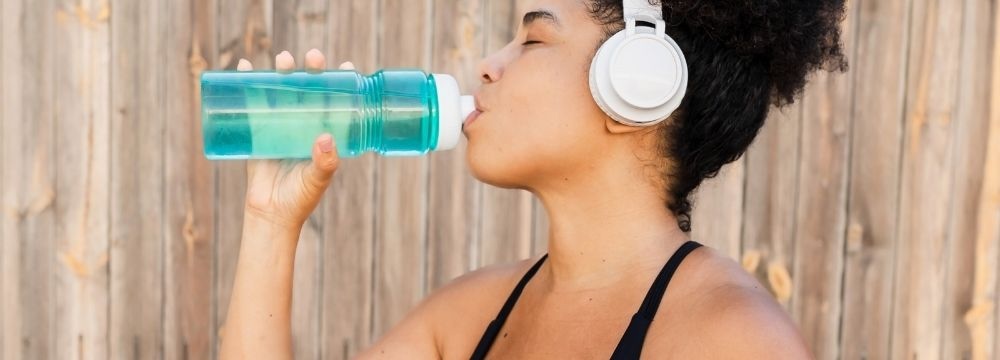
Eating and exercise get most of the attention after bariatric surgery, but hydration matters more than most people realize. Even a small fluid deficit—on the order of 1–2% of your body weight—can affect how you feel, your energy level, and even your appetite cues. Many patients mistake thirst for hunger and end up snacking when a glass of water would have helped.
How Much and What to Drink
- Most post‑bariatric patients should aim for at least 64 ounces (about 2 liters) of fluids per day, unless your surgeon has given you different guidance.
- Water is best, but coffee and tea do contribute to hydration, especially if you’re a regular caffeine user. Just be mindful of added sugar and cream.
Simple rules of thumb:
- Aim to urinate several times per day.
- Pale straw or light yellow urine usually indicates good hydration.
- Very dark urine suggests you need more fluid.
- Almost completely clear all day long may mean you’re overdoing it.
Liquid Traps – What Are They and How to Avoid Them?
No, we’re not talking about those ant baits that work really well; liquid traps are among the many mistakes we may make with liquids, typically propagated by old, now-debunked information. Let’s go through a few of the most common ones.
Juice. Unfortunately, when you drink juice, you’re not only getting an enormous amount of sugar, but you’re missing out on the best parts of the fruit – the fiber and vitamins contained in the flesh. Orange juice may seem like a good option, but believe it or not, it can be just as bad as a sugary soda. If there’s one juice we support, it’s no-added-sugar coconut water. This can be a very refreshing source of electrolytes, especially after a long workout, and the sugar content is relatively low. As a bonus, it tastes pretty good.
Carbonated diet beverages. You will undoubtedly drink plenty of artificial and natural low or no-calorie sweetened drinks in your post-op life. It’s one way to enjoy otherwise bland drinks. However, while the label shows 0 cal, low-calorie sweeteners hide a bit of a secret. The significant sweetness these products provide tricks your brain into wanting more, creating the opposite effect of what we’re looking for. While we don’t absolutely forbid artificial sweeteners, we encourage patients to consume them as little as possible.
The carbonation in these beverages is also problematic. Air bubbles can remain in the stomach pouch for a while, taking up valuable space that would otherwise be for protein intake. Further, carbonation is usually created using acidic CO2, which can irritate the stomach pouch.
Coffee and tea. For all you coffee and tea lovers out there, the old thinking that you are a loser when it comes to hydration has been debunked. The fact is, they provide positive net hydration versus the water you lose from their mild diuretic effect. There are a few considerations, however. Many of us enjoy milk and sugar with our morning beverage, and in moderation, that’s just fine. Just be mindful of how much of each you’re adding. Second, caffeine can stimulate us to crave more food, making us hungrier. Consider a decaffeinated version of your favorite coffee or tea.
Protein waters. You probably noticed the new trend of food manufacturers adding protein to just about every product we consume – cereals, waffles, pancakes, and yes, even water. But what is the net benefit? Protein water can be helpful in a pinch, for example, if you are traveling and can’t eat the way you want to or should. Over the longer term, though, protein waters can create a dependence on what is often an expensive processed product rather than solid whole foods, which is truly what we want to be your primary protein source. Further, most protein waters are artificially or naturally sweetened, often to the point of being unpalatably sweet. Be mindful that this could make you crave more sweetness, not less.
Protein shakes. These are staples in post-bariatric life. You’ll see that the major bariatric supplement companies all have a protein shake they swear is the tastiest and best for you. We do not discount their importance in closing a gap. However, these are typically intended as meal replacements, not snacks. They can be relatively high in calories, so use them wisely to get the best benefit. Unfortunately, some of our patients return for a follow-up appointment and tell us they’ve been drinking 2 or 3 shakes a day in addition to their meals. This is a recipe for significant weight gain.
It’s also worth noting that making protein shakes at home can be both cost-effective and healthy. Just be sure to track your caloric and nutritional intake closely.
The least best option is to opt for commercially available protein shakes that aren’t bariatric specific. They may be cheaper, but they often lack the ingredients you need for a good meal replacement. Further, they can be loaded with unnecessary sugars or sweeteners.
The Bottom Line
There are many paths to weight regain after bariatric surgery—diet drift, lack of strength training, dehydration, stress, and more. What matters most is catching it early and asking for help before the regain feels overwhelming.