

Archives: November 2025
Does it Make Sense to Maximize Your Fiber Intake for Weight Loss?
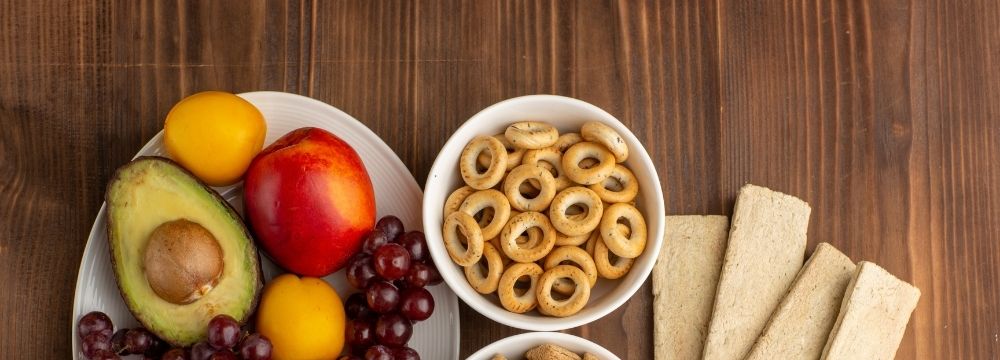
With all the fad diets and quick fixes online, “fiber maxxing,” as it is often called, can seem like a quick gimmick to lose weight that ultimately won’t work. But let’s dig a little deeper with Dr. Dan Lane, a bariatric surgeon, and Dr. Gregory Quatrino, a colorectal surgeon, both at SAMPA, to better understand this new trend. Does it make sense for patients trying to lose weight before bariatric surgery, after bariatric surgery, or as part of any weight loss regimen?
Before we get into the details of fiber maxxing, it’s important to understand how much fiber patients should be consuming. Most of our female patients are recommended to consume about 20 to 25g of fiber each day, while most of our male patients should consume 25 to 30g.
As part of the fiber maxxing trend, patients are encouraged to eat upwards of 40g of fiber. Is this safe? Is it healthy? The short answer is that it can be, and the moniker “natural Ozempic” for fiber may actually be somewhat accurate. Of course, there are always considerations when starting a new diet and taking significant amounts of fiber, so let’s get into the pros and cons.
Benefits Of Maximizing Fiber Intake
Fiber comes in two forms: soluble and insoluble.
Soluble fiber binds to other compounds, especially sugars and carbohydrates, to whisk them out of the system before the sensitive lining of the small intestine can absorb them. This is why you can have “net zero carb” tortillas that still taste pretty good. Insoluble fiber, on the other hand, does not absorb into the liquid component of what we eat. Instead, it remains bulky and serves as the basis for forming stool in the colon, allowing us to expel unused food components and waste efficiently.
Fiber does a great job of filling us up. You’ll notice that the fiber’s bulk and expansion within the stomach make us feel full sooner. This is because the stomach muscles are slightly stretched by this bulk, sending a signal of fullness to the brain, which in turn makes us eat less.
Nutritionally, fiber can also reduce the negative effects of sugar and carbohydrate consumption. This doesn’t mean you can eat as much sugar and carbs as you want, but it does mitigate the occasional mis- or over-step.
Further, a high-fiber diet can be exceptionally beneficial for the colon, facilitating smoother stool passage and helping prevent both constipation and diarrhea.
“Patients taking GLP-1s or who are post-operative to bariatric surgery can benefit tremendously from fiber,” says Dr. Lane. “It is, of course, important to ensure that adequate protein is being consumed before we max out our fiber, but in the vast majority of bariatric patients several months after surgery, I tend not to dissuade them from getting a little extra fiber if they can comfortably tolerate it.”
Considerations Of Fiber Consumption
Dr. Quatrino has a few tips and considerations to keep in mind regarding fiber intake. Following these rules ensures that you experience minimal side effects.
First, start slowly. Taking too much fiber too soon can cause bloating, discomfort, and flatulence, which can really wreck your day.
Second, choose your fiber supplement wisely. Fiber gummies and other sugary items can introduce less-than-ideal nutrients into the body, and the gummy component can stick in your teeth and cause decay. Consider psyllium husk and other fiber additives that do not contain sugar and come in a more natural form.
Third, and especially for bariatric surgery patients, remember that fiber will fill you up, so be sure to get your appropriate nutritional intake before supplementing with fiber to ensure you stay on track and don’t develop a nutritional deficiency.
Drink plenty of water: Fiber is a fantastic addition to any diet, but make sure that you’re drinking plenty of water to ensure that all of that fibrous material is moving through your GI tract smoothly. Having too much fiber and not enough water can, in many cases, cause discomfort or constipation. In very rare cases, patients can experience intestinal blockage.
“Fiber is fantastic, but some of our patients take it a little too far, a little too fast, and this can cause some discomfort,” says Dr. Quatrino. “But if patients start slow and drink plenty of water, they will enjoy all of the benefits of fiber with very few, if any, risks. Of course, if our patients are ever in doubt about their fiber intake, we encourage them to call our office.”
The Bottom Line
Fiber takes some getting used to, and your GI tract will appreciate a gradual increase in consumption. While it may be tempting to maximize your fiber from day one, remember that increasing and ultimately balancing your fiber intake is a lifelong habit; you’ve got plenty of time to figure out exactly how much your body can take.
We suggest you get fiber from natural foods rather than supplements whenever possible. Below you’ll find a list of food items that are high in fiber and may conform to your dietary program:
- Berries: Including raspberries, blackberries, blueberries, and strawberries.
- Legumes: Lentils and beans (especially minimally processed ones).
- Other Fruits: Apples, avocado, pears.
- Whole grains like oats, barley, and whole wheat.
- Vegetables like artichokes, broccoli, brussels sprouts, sweet potatoes with skin, and leafy greens.
- Nuts and seeds (but watch the calories!).
- Fiber-fortified grains: Though don’t be fooled by high-sugar, high-fat pancakes, waffles, and other junk foods that claim to be high in protein and fiber. Often, they contain less-than-ideal ingredients for your diet.
Integrating these foods into your daily routine can help you hit those fiber goals safely. If you are unsure where to start, speak to a nutritionist or your colorectal health team to create a plan tailored to your specific needs.
Hydration and “Liquid Traps” After Bariatric Surgery

Eating and exercise get most of the attention after bariatric surgery, but hydration matters more than most people realize. Even a small fluid deficit—on the order of 1–2% of your body weight—can affect how you feel, your energy level, and even your appetite cues. Many patients mistake thirst for hunger and end up snacking when a glass of water would have helped.
How Much and What to Drink
- Most post‑bariatric patients should aim for at least 64 ounces (about 2 liters) of fluids per day, unless your surgeon has given you different guidance.
- Water is best, but coffee and tea do contribute to hydration, especially if you’re a regular caffeine user. Just be mindful of added sugar and cream.
Simple rules of thumb:
- Aim to urinate several times per day.
- Pale straw or light yellow urine usually indicates good hydration.
- Very dark urine suggests you need more fluid.
- Almost completely clear all day long may mean you’re overdoing it.
Liquid Traps – What Are They and How to Avoid Them?
No, we’re not talking about those ant baits that work really well; liquid traps are among the many mistakes we may make with liquids, typically propagated by old, now-debunked information. Let’s go through a few of the most common ones.
Juice. Unfortunately, when you drink juice, you’re not only getting an enormous amount of sugar, but you’re missing out on the best parts of the fruit – the fiber and vitamins contained in the flesh. Orange juice may seem like a good option, but believe it or not, it can be just as bad as a sugary soda. If there’s one juice we support, it’s no-added-sugar coconut water. This can be a very refreshing source of electrolytes, especially after a long workout, and the sugar content is relatively low. As a bonus, it tastes pretty good.
Carbonated diet beverages. You will undoubtedly drink plenty of artificial and natural low or no-calorie sweetened drinks in your post-op life. It’s one way to enjoy otherwise bland drinks. However, while the label shows 0 cal, low-calorie sweeteners hide a bit of a secret. The significant sweetness these products provide tricks your brain into wanting more, creating the opposite effect of what we’re looking for. While we don’t absolutely forbid artificial sweeteners, we encourage patients to consume them as little as possible.
The carbonation in these beverages is also problematic. Air bubbles can remain in the stomach pouch for a while, taking up valuable space that would otherwise be for protein intake. Further, carbonation is usually created using acidic CO2, which can irritate the stomach pouch.
Coffee and tea. For all you coffee and tea lovers out there, the old thinking that you are a loser when it comes to hydration has been debunked. The fact is, they provide positive net hydration versus the water you lose from their mild diuretic effect. There are a few considerations, however. Many of us enjoy milk and sugar with our morning beverage, and in moderation, that’s just fine. Just be mindful of how much of each you’re adding. Second, caffeine can stimulate us to crave more food, making us hungrier. Consider a decaffeinated version of your favorite coffee or tea.
Protein waters. You probably noticed the new trend of food manufacturers adding protein to just about every product we consume – cereals, waffles, pancakes, and yes, even water. But what is the net benefit? Protein water can be helpful in a pinch, for example, if you are traveling and can’t eat the way you want to or should. Over the longer term, though, protein waters can create a dependence on what is often an expensive processed product rather than solid whole foods, which is truly what we want to be your primary protein source. Further, most protein waters are artificially or naturally sweetened, often to the point of being unpalatably sweet. Be mindful that this could make you crave more sweetness, not less.
Protein shakes. These are staples in post-bariatric life. You’ll see that the major bariatric supplement companies all have a protein shake they swear is the tastiest and best for you. We do not discount their importance in closing a gap. However, these are typically intended as meal replacements, not snacks. They can be relatively high in calories, so use them wisely to get the best benefit. Unfortunately, some of our patients return for a follow-up appointment and tell us they’ve been drinking 2 or 3 shakes a day in addition to their meals. This is a recipe for significant weight gain.
It’s also worth noting that making protein shakes at home can be both cost-effective and healthy. Just be sure to track your caloric and nutritional intake closely.
The least best option is to opt for commercially available protein shakes that aren’t bariatric specific. They may be cheaper, but they often lack the ingredients you need for a good meal replacement. Further, they can be loaded with unnecessary sugars or sweeteners.
The Bottom Line
There are many paths to weight regain after bariatric surgery—diet drift, lack of strength training, dehydration, stress, and more. What matters most is catching it early and asking for help before the regain feels overwhelming.
Are Colonics a Good Option After Bariatric Surgery?

With all the “body hacking” information swirling out there, colonics are high on the list of alternative procedures with a devoted following believing that they are helpful for overall health and specifically weight loss. But what exactly is a colonic, and are the claims made by proponents true?
A colonic is simply a flush of the colon using a liquid substance inserted through the rectum. People who swear by colonics mention that they “clear out the gunk,” potentially removing pounds of old feces and generally introducing better health to the colon.
Are Any Of These Claims True?
Claim: Colonics can reduce built-up gunk in the large intestine.
This claim is unlikely to be true even in the best-case scenario. Patients with impacted fecal matter in the large intestine will likely feel it and require significant medical intervention to remove it. It’s extremely unlikely that any substantial amount of leftover fecal matter is sitting in your colon at any given time if you have normal bowel function.
Claim: Colonics can help with weight loss.
Considering there is little evidence that any additional waste will come out of the colon, the idea that a colonic helps with weight or fat loss is unfounded. Many people believe that a colonic can help rebalance gut health and potentially introduce beneficial vitamins and minerals. Again, this is unlikely. It is much easier to take supplements if you have any vitamin or mineral deficiencies. Taking nutrition rectally, unless medically necessary, is generally not recommended.
Claim: Feeling fresh and rejuvenated.
This claim is largely anecdotal and lacks medical evidence. To be sure, flushing the colon may make the patient feel “lighter.” There is also a placebo effect associated with the knowledge that a procedure has been performed; the brain will make the body feel better when it is convinced of a benefit. However, each patient must weigh the potential benefits of this feeling against the risks.
The Potential Downsides Of a Colonic
It can be dangerous
First, and probably most important, is that anything inserted into the rectum and large intestine risks damaging the area, up to and including perforation of the colon’s sensitive lining. This can be a devastating consequence, with significant risk if the practitioner is unlicensed or incompetent.
A waste of money
You’d be amazed by the regularity of clean colonoscopies; it’s remarkable how clean the colon can be, even after just a day of allowing waste to pass through naturally. By interfering with the colon’s natural cleansing process, we may be doing more harm than good.
Avoiding laxatives
While there may be some natural laxative effects from the colonic itself, relying on enemas or laxatives can cause more problems than good. Laxatives and suppositories should be used only for temporary constipation. Ultimately, proper diet and exercise are the best way to flush toxins out of the colon and the body.
The Bottom Line
Unfortunately, there is plenty of pseudoscience out there touting the almost magical benefits of colonics. It’s worth remembering that our bodies are sensitive and adaptable. By consuming the right foods and staying hydrated, we can improve our colon health to the degree that interventions such as colonics are never necessary. If you are experiencing any abdominal discomfort, please seek appropriate medical attention to determine the cause.
Your Exercise Mix: Cardio vs. Strength Training After Bariatric Surgery

For many bariatric patients, cardio feels like the obvious choice: You sweat. Your heart rate goes up. You feel like you achieved something. And it’s true. Cardio is fantastic for heart health and burns calories during the workout. The limitation? It doesn’t do as much for long‑term muscle building, which really helps boost and maintain your metabolism over time.
In the first several months after bariatric surgery, and even if you’re only on GLP-1s, cardio will likely be enough to help you lose a dramatic amount of weight. After all, you’re in a phase of postoperative life where your body is adapting. You’re likely not craving a whole lot of food, and pounds are coming off without much effort. To that end, cardio is important and may be just what you need in these early days.
When Strength Training Comes In
However, after years of carrying excess weight, you will likely lose muscle during this rapid weight-loss period. If you never add strength training, your body burns fewer calories at rest, which makes regaining easier. Muscle tissue is metabolically active. It burns calories even when you’re sitting still.
So, while we suggest that all patients start some strength training program once they are cleared for it, usually between six and eight weeks after surgery, it becomes even more critical over the long term when your metabolism begins to adapt, and your weight starts to plateau. Having metabolically active muscle tissue makes it easier to maintain long-term weight loss.
Strength Training and Weight Regain
When you start resistance training, it’s common to see a small bump or plateau on the scale (muscle is denser than fat) and visible changes in body shape and tone before big changes in weight. We say this not to concern you or make you paranoid about post-op life and weight regain, but rather to be aware of this reality and stay on track towards your goals. All too often, patients see that weight gain, despite their best efforts, and get frustrated. Often, they feel as though their strength training is not yielding results or may even be counterproductive, but nothing is further from the truth.
The Bottom Line
If you’re a few years out and have never followed a consistent strength or resistance program, now is the time, and it’s not hard to get started. Begin with 2–3 days per week of bodyweight exercises and light weights, focusing on large muscle groups (legs, glutes, back, chest). It’s important to give yourself permission to allow the scale to be boring for a few weeks while your body composition improves. Your mirror, your clothes, and your energy level often show progress before the scale does.
From there, start working out progressively harder. Make sure you take it slow, and if you’re concerned about previous injuries or your joints, speak to our office for guidance on ramping up. Most importantly, remember that your muscles may be weak from years of atrophy. They do not reactivate on your first strength-training session. Rather, it’s going to take a few weeks for them to get acclimated to the new strain and show you the results and benefits.
We often suggest working out with a buddy during this time, as having someone to motivate you can be very helpful. Going at it alone makes long-term adherence that much harder, especially during the more difficult times when you simply feel overwhelmed to get to the gym or frustrated with your progress.