
 Share
Share

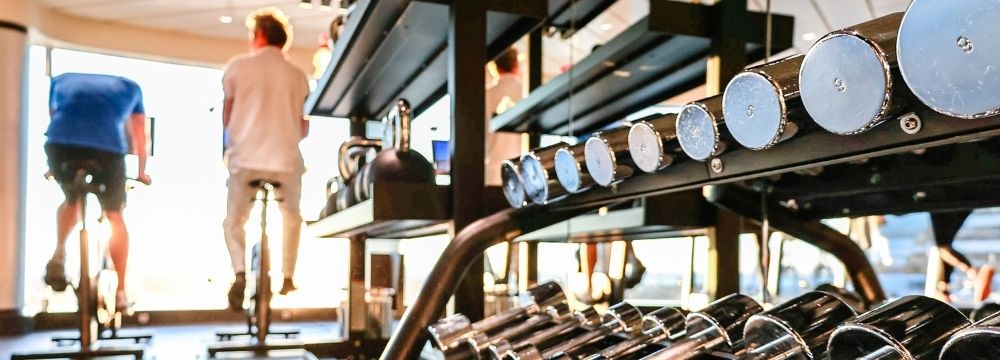
For many bariatric patients, cardio feels like the obvious choice: You sweat. Your heart rate goes up. You feel like you achieved something. And it’s true. Cardio is fantastic for heart health and burns calories during the workout. The limitation? It doesn’t do as much for long‑term muscle building, which really helps boost and maintain your metabolism over time.
In the first several months after bariatric surgery, and even if you’re only on GLP-1s, cardio will likely be enough to help you lose a dramatic amount of weight. After all, you’re in a phase of postoperative life where your body is adapting. You’re likely not craving a whole lot of food, and pounds are coming off without much effort. To that end, cardio is important and may be just what you need in these early days.
When Strength Training Comes In
However, after years of carrying excess weight, you will likely lose muscle during this rapid weight-loss period. If you never add strength training, your body burns fewer calories at rest, which makes regaining easier. Muscle tissue is metabolically active. It burns calories even when you’re sitting still.
So, while we suggest that all patients start some strength training program once they are cleared for it, usually between six and eight weeks after surgery, it becomes even more critical over the long term when your metabolism begins to adapt, and your weight starts to plateau. Having metabolically active muscle tissue makes it easier to maintain long-term weight loss.
Strength Training and Weight Regain
When you start resistance training, it’s common to see a small bump or plateau on the scale (muscle is denser than fat) and visible changes in body shape and tone before big changes in weight. We say this not to concern you or make you paranoid about post-op life and weight regain, but rather to be aware of this reality and stay on track towards your goals. All too often, patients see that weight gain, despite their best efforts, and get frustrated. Often, they feel as though their strength training is not yielding results or may even be counterproductive, but nothing is further from the truth.
The Bottom Line
If you’re a few years out and have never followed a consistent strength or resistance program, now is the time, and it’s not hard to get started. Begin with 2–3 days per week of bodyweight exercises and light weights, focusing on large muscle groups (legs, glutes, back, chest). It’s important to give yourself permission to allow the scale to be boring for a few weeks while your body composition improves. Your mirror, your clothes, and your energy level often show progress before the scale does.
From there, start working out progressively harder. Make sure you take it slow, and if you’re concerned about previous injuries or your joints, speak to our office for guidance on ramping up. Most importantly, remember that your muscles may be weak from years of atrophy. They do not reactivate on your first strength-training session. Rather, it’s going to take a few weeks for them to get acclimated to the new strain and show you the results and benefits.
We often suggest working out with a buddy during this time, as having someone to motivate you can be very helpful. Going at it alone makes long-term adherence that much harder, especially during the more difficult times when you simply feel overwhelmed to get to the gym or frustrated with your progress.