

With all the fad diets and quick fixes online, “fiber maxxing,” as it is often called, can seem like a quick gimmick to lose weight that ultimately won’t work. But let’s dig a little deeper with Dr. Dan Lane, a bariatric surgeon, and Dr. Gregory Quatrino, a colorectal surgeon, both at SAMPA, to better understand this new trend. Does it make sense for patients trying to lose weight before bariatric surgery, after bariatric surgery, or as part of any weight loss regimen?
Before we get into the details of fiber maxxing, it’s important to understand how much fiber patients should be consuming. Most of our female patients are recommended to consume about 20 to 25g of fiber each day, while most of our male patients should consume 25 to 30g.
As part of the fiber maxxing trend, patients are encouraged to eat upwards of 40g of fiber. Is this safe? Is it healthy? The short answer is that it can be, and the moniker “natural Ozempic” for fiber may actually be somewhat accurate. Of course, there are always considerations when starting a new diet and taking significant amounts of fiber, so let’s get into the pros and cons.
Benefits Of Maximizing Fiber Intake
Fiber comes in two forms: soluble and insoluble.
Soluble fiber binds to other compounds, especially sugars and carbohydrates, to whisk them out of the system before the sensitive lining of the small intestine can absorb them. This is why you can have “net zero carb” tortillas that still taste pretty good. Insoluble fiber, on the other hand, does not absorb into the liquid component of what we eat. Instead, it remains bulky and serves as the basis for forming stool in the colon, allowing us to expel unused food components and waste efficiently.
Fiber does a great job of filling us up. You’ll notice that the fiber’s bulk and expansion within the stomach make us feel full sooner. This is because the stomach muscles are slightly stretched by this bulk, sending a signal of fullness to the brain, which in turn makes us eat less.
Nutritionally, fiber can also reduce the negative effects of sugar and carbohydrate consumption. This doesn’t mean you can eat as much sugar and carbs as you want, but it does mitigate the occasional mis- or over-step.
Further, a high-fiber diet can be exceptionally beneficial for the colon, facilitating smoother stool passage and helping prevent both constipation and diarrhea.
“Patients taking GLP-1s or who are post-operative to bariatric surgery can benefit tremendously from fiber,” says Dr. Lane. “It is, of course, important to ensure that adequate protein is being consumed before we max out our fiber, but in the vast majority of bariatric patients several months after surgery, I tend not to dissuade them from getting a little extra fiber if they can comfortably tolerate it.”
Considerations Of Fiber Consumption
Dr. Quatrino has a few tips and considerations to keep in mind regarding fiber intake. Following these rules ensures that you experience minimal side effects.
First, start slowly. Taking too much fiber too soon can cause bloating, discomfort, and flatulence, which can really wreck your day.
Second, choose your fiber supplement wisely. Fiber gummies and other sugary items can introduce less-than-ideal nutrients into the body, and the gummy component can stick in your teeth and cause decay. Consider psyllium husk and other fiber additives that do not contain sugar and come in a more natural form.
Third, and especially for bariatric surgery patients, remember that fiber will fill you up, so be sure to get your appropriate nutritional intake before supplementing with fiber to ensure you stay on track and don’t develop a nutritional deficiency.
Drink plenty of water: Fiber is a fantastic addition to any diet, but make sure that you’re drinking plenty of water to ensure that all of that fibrous material is moving through your GI tract smoothly. Having too much fiber and not enough water can, in many cases, cause discomfort or constipation. In very rare cases, patients can experience intestinal blockage.
“Fiber is fantastic, but some of our patients take it a little too far, a little too fast, and this can cause some discomfort,” says Dr. Quatrino. “But if patients start slow and drink plenty of water, they will enjoy all of the benefits of fiber with very few, if any, risks. Of course, if our patients are ever in doubt about their fiber intake, we encourage them to call our office.”
The Bottom Line
Fiber takes some getting used to, and your GI tract will appreciate a gradual increase in consumption. While it may be tempting to maximize your fiber from day one, remember that increasing and ultimately balancing your fiber intake is a lifelong habit; you’ve got plenty of time to figure out exactly how much your body can take.
We suggest you get fiber from natural foods rather than supplements whenever possible. Below you’ll find a list of food items that are high in fiber and may conform to your dietary program:
- Berries: Including raspberries, blackberries, blueberries, and strawberries.
- Legumes: Lentils and beans (especially minimally processed ones).
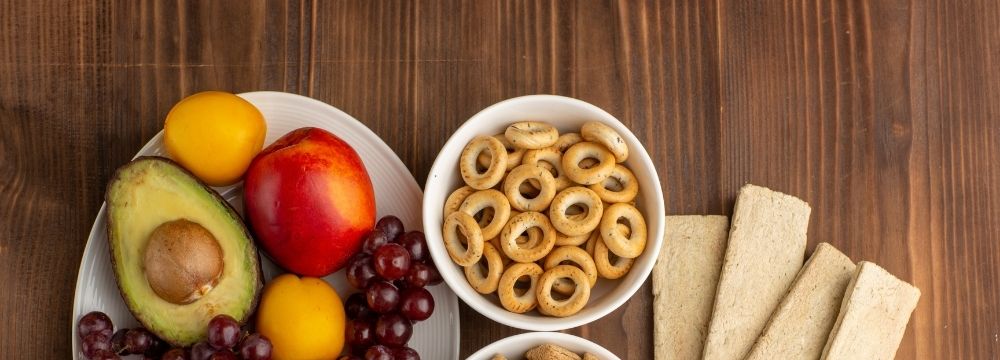
- Other Fruits: Apples, avocado, pears.
- Whole grains like oats, barley, and whole wheat.
- Vegetables like artichokes, broccoli, brussels sprouts, sweet potatoes with skin, and leafy greens.
- Nuts and seeds (but watch the calories!).
- Fiber-fortified grains: Though don’t be fooled by high-sugar, high-fat pancakes, waffles, and other junk foods that claim to be high in protein and fiber. Often, they contain less-than-ideal ingredients for your diet.
Integrating these foods into your daily routine can help you hit those fiber goals safely. If you are unsure where to start, speak to a nutritionist or your colorectal health team to create a plan tailored to your specific needs.